

AI has revolutionized internet searching. Instead of clicking the ten blue links on Google, millions of users now ask ChatGPT, Gemini, and Perplexity questions and get the answer right away.
But here’s the thing – this revolution has created a new business opportunity for companies, marketers, and website owners as well.
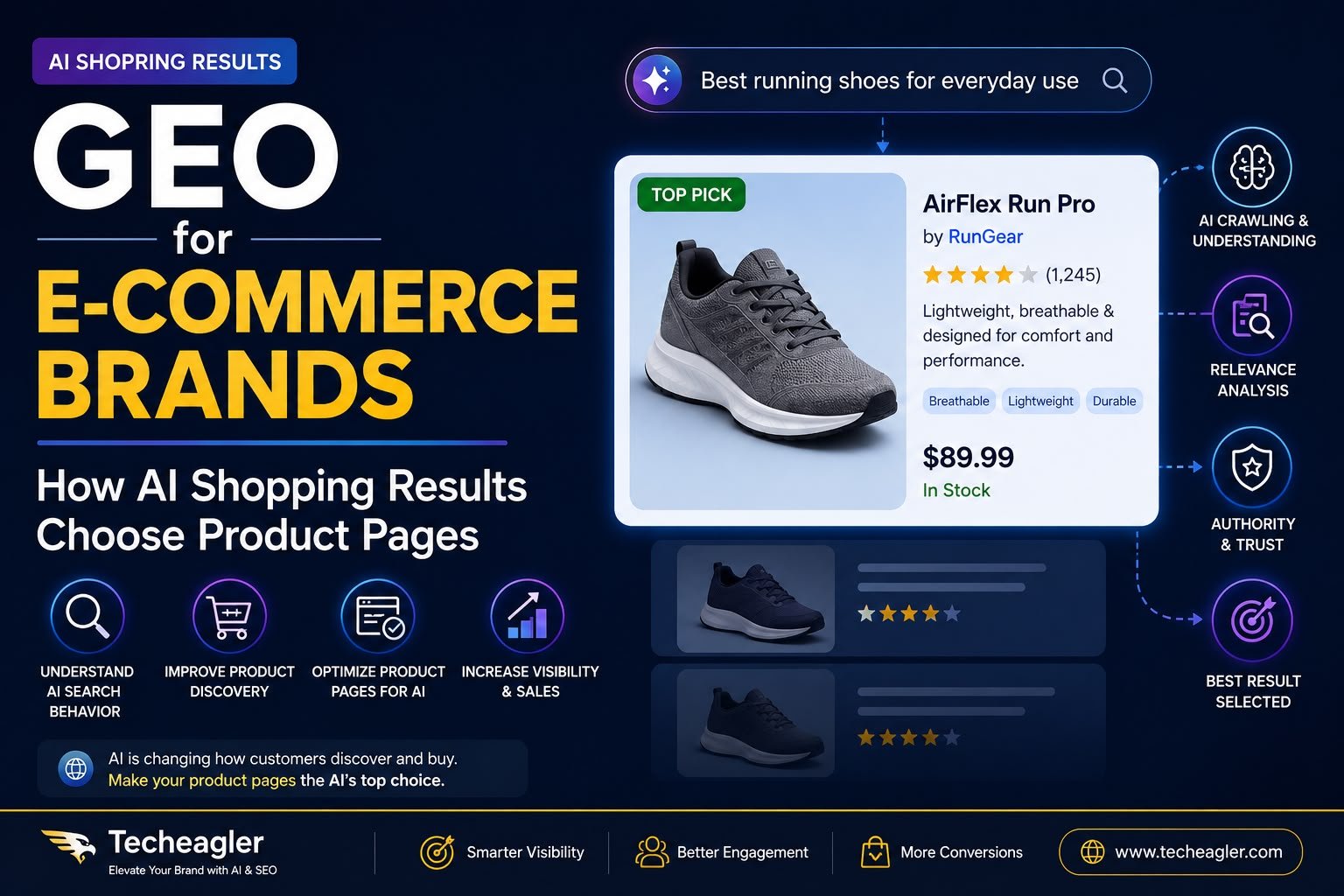
SEO optimization is important as ever, but it’s no longer enough if you want to be seen and mentioned in AI responses. That’s where Generative Engine Optimization (GEO) comes in.
This guide will show you how to optimize your site for ChatGPT, Gemini, and Perplexity in 2026 through the application of GEO methods.
Now, what is Generative Engine Optimization (GEO)?
Generative Engine Optimization (GEO) is the process of optimizing your content for AI search engines and large language models.
Contrary to regular search engines that rank webpages, AI assistants analyze a number of trusted sources and provide an answer.
And while your goal used to be to rank #1 on Google, it’s now about being among those trusted sources chosen by AI.
The Relevance of GEO in 2026
AI-based searches are increasing at an unprecedented rate.
Currently, users make use of:
* ChatGPT for research and suggestions
* Google Gemini through Google Search
* Perplexity AI to get immediate results
* AI Overview in Google Search
* AI shopping assistants
* Voice AI assistants
When your site does not incorporate these innovations into itself, you lose access to an increasingly larger percentage of traffic even if your site ranks well in Google.
In order to be successful in 2026, you must combine conventional SEO tactics with AI-based SEO tactics.
How ChatGPT Chooses Sources
ChatGPT does not plagiarize information found on any particular website.
Instead, it selects the information which is:
* Correct
* From experts
* Well-written
* Understandable
* From reliable sources
* Widely cited on the internet
Your website’s authority influences whether it will appear in the answer generated by AI technology.
How Gemini Evaluates Content
Google Gemini relies heavily on Google’s understanding of websites.
This means traditional SEO signals still matter, including:
* Helpful content
* Strong topical authority
* Fast website performance
* Internal linking
* Structured data
* High-quality backlinks
* Excellent user experience
Gemini also prefers pages that answer questions clearly instead of forcing users to search through unnecessary information.
How Perplexity Finds Reliable Information
Perplexity is different because it openly cites sources.
It looks for pages that provide:
* Original insights
* Updated information
* Statistics
* Expert opinions
* Clear headings
* Easy-to-scan formatting
If your article is comprehensive and trustworthy, Perplexity has a better chance of referencing it.
10 GEO Strategies That Work in 2026
- Build Topical Authority
Instead of publishing random articles, create complete content clusters around your niche.
For example, an SEO agency could publish articles about:
* GEO
* AI SEO
* Technical SEO
* Link Building
* Digital PR
* Local SEO
* Content Marketing
When AI sees consistent expertise across related topics, your website becomes a stronger authority.
- Answer Questions Naturally
AI models love content that directly answers user questions.
Include sections like:
* What is GEO?
* Why does GEO matter?
* How do AI search engines work?
* How can businesses optimize for AI?
Use simple language and provide complete answers without unnecessary filler.
- Use Clear Heading Structure
Organize your content using logical headings:
* H1
* H2
* H3
Avoid large blocks of text.
Short paragraphs improve readability for both users and AI systems.
- Add Original Insights
Generic content is becoming less valuable.
Share:
* Real experiences
* Industry observations
* Practical tips
* Case studies
* Unique frameworks
Original information helps your content stand out from AI-generated summaries.
- Write Useful and Complete Information
Very few 300-word content pieces succeed in AI-based searches.
Rather, make informative pieces of content that address a question entirely.
Think to yourself,
“If a person reads only this article will it be able to solve his problem?”
Yes, if the answer is in affirmative, you are on the right track.
- Improve E-E-A-T Signals
Google and AI systems value:
* Experience
* Expertise
* Authoritativeness
* Trustworthiness
Strengthen these signals by:
* Adding author bios
* Showing business information
* Displaying contact details
* Publishing accurate content
* Keeping articles updated
Trust plays a major role in whether AI systems reference your website.
- Optimize for Featured Snippets
Many AI-generated answers resemble featured snippets.
Use:
* Bullet lists
* Numbered steps
* Comparison tables
* Definitions
* FAQs
Well-formatted content is easier for AI to interpret and summarize.
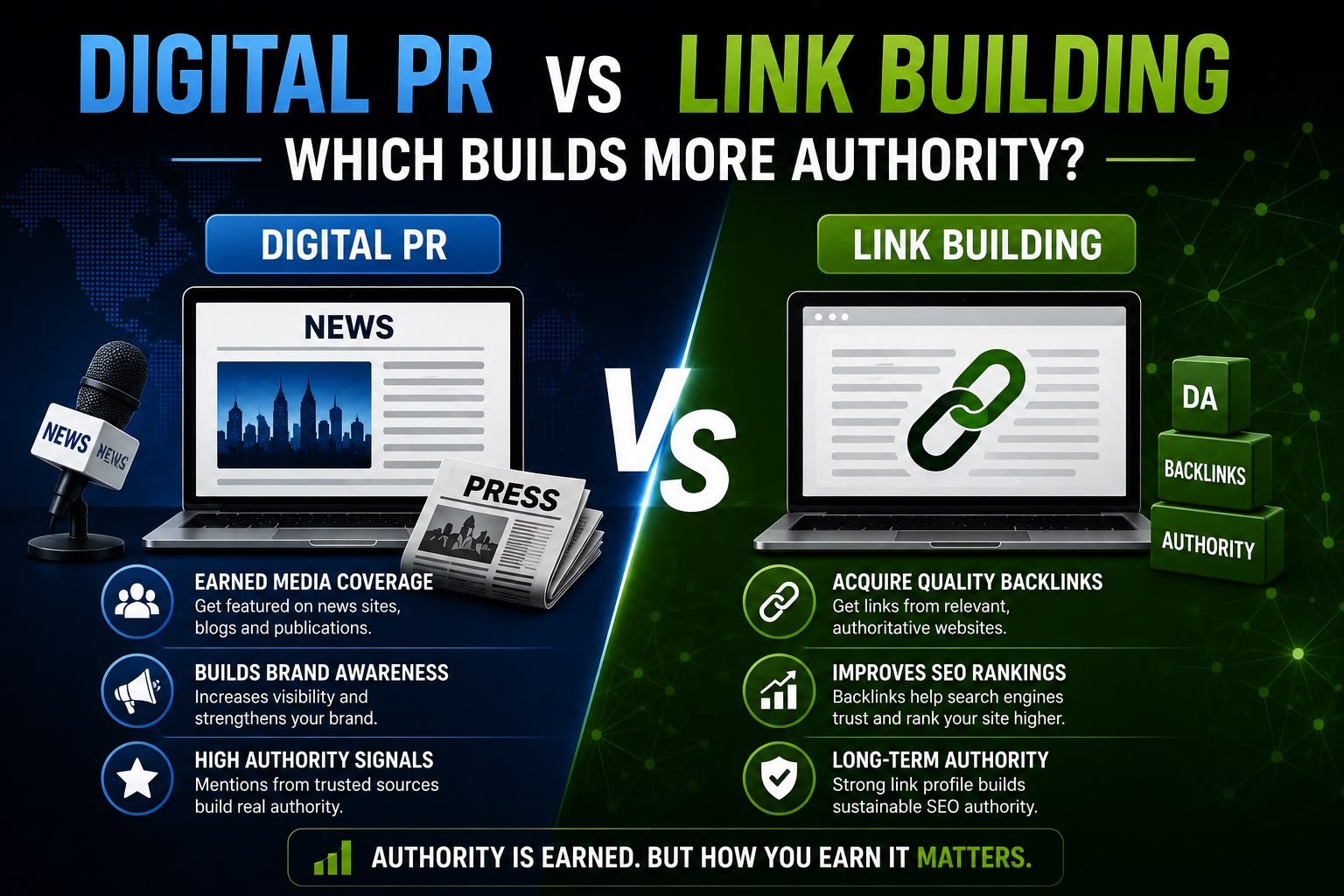
- Create Quality Backlinks
Authority is one of the strongest ranking signals available.
Gain quality backlinks from:
* Digital PR
* Guest posting
* Research
* Partnerships within the industry
* Interviews
Whenever respected websites refer to your content, this makes AI more certain of your authority.
- Add Structured Data
Schema markup helps search engines understand your content more effectively.
Useful schema types include:
* Article
* FAQ
* Organization
* Breadcrumb
* Person
* Product (for eCommerce)
* Review
Structured data doesn’t guarantee AI citations, but it improves content understanding.
- Keep Content Updated
AI systems prefer fresh and relevant information.
Review important articles every few months by:
* Updating statistics
* Adding new examples
* Improving readability
* Expanding outdated sections
* Removing obsolete information
Fresh content sends positive quality signals.
Common GEO Mistakes to Avoid
Many websites still make mistakes that reduce their visibility in AI search.
Avoid:
* Publishing AI-generated content without editing
* Keyword stuffing
* Thin articles
* Outdated information
* Weak internal linking
* Missing author information
* Clickbait headlines that don’t deliver value
Your focus should always be on helping readers first.
SEO vs. GEO – Should You Use Both?
Yes, definitely.
In terms of SEO vs. GEO, it is not a case of using one strategy or another; it should be an integrated approach.
SEO will make your website more visible within search engine results, and GEO will increase the likelihood that your content gets cited by the AI-powered assistants such as ChatGPT, Gemini, and Perplexity.
The most effective digital marketing strategies in 2026 will include both SEO and GEO.
The Future of AI Search
Search is becoming more conversational every year.
Instead of typing short keywords, users now ask complete questions like:
* “What’s the best SEO strategy for startups?”
* “How can I rank in AI search?”
* “What linking tactics are still relevant in 2026?”
This trend implies that websites have to provide clear and precise answers rather than just pay attention to keywords.
Those companies that will respond faster to this trend will certainly benefit from it because AI-based searches will keep developing.
Conclusion
AI is changing the future of search completely. ChatGPT, Gemini, and Perplexity are making searching more intelligent, and companies that will implement Generative Engine Optimization (GEO) will definitely get an advantage in the future.
Create helpful content, establish yourself as an expert in your field, earn high-quality backlinks, apply proper structuring, and always keep information updated. By applying these GEO best practices together with SEO strategies, you will increase the probability of getting not only good rankings but also being used in answers generated by AI.
Prepare your site for the next search trend in 2026.